

Build
26 articlesStep-by-step guides to implement, integrate, configure and deploy modern software. Each guide states what you'll have working, what you need first, and what result to expect.
- Integrations between frameworks, APIs and services
- App and feature tutorials, including AI API integrations
- Setup, configuration and deployment guides
All Build articles
Newest first.
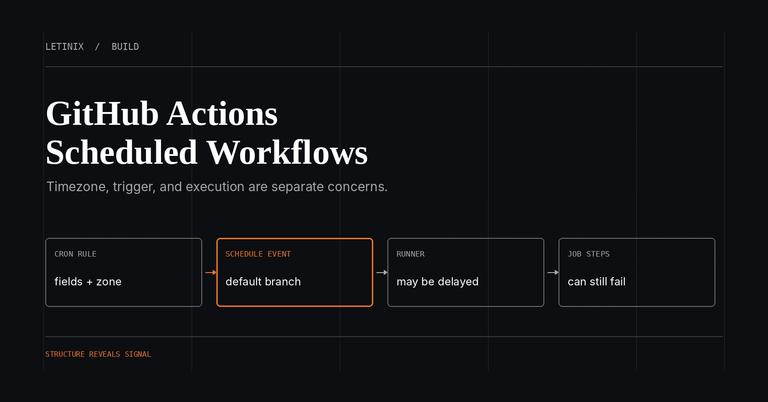
GitHub Actions Scheduled Workflows: Time Zones and Common Failures
Configure GitHub Actions schedule events with the right cron syntax and timezone, then troubleshoot workflows that run late or stop triggering.
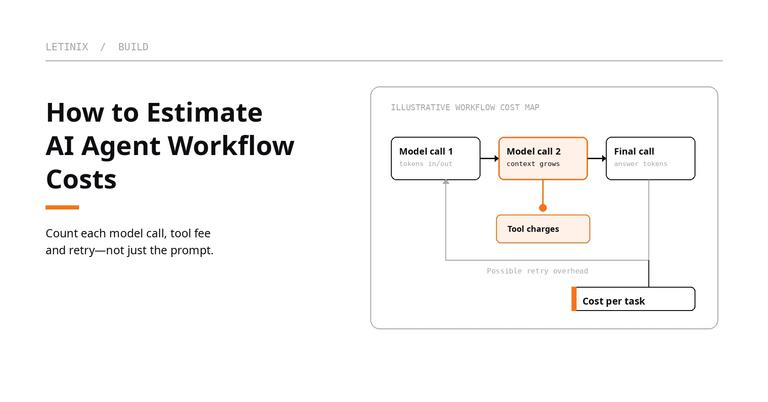
How to Estimate the Cost of an AI Agent Workflow
Estimate AI agent API costs by modeling each model call, token volume, tool fee and retry in a workflow, then scale the result to monthly task volume.
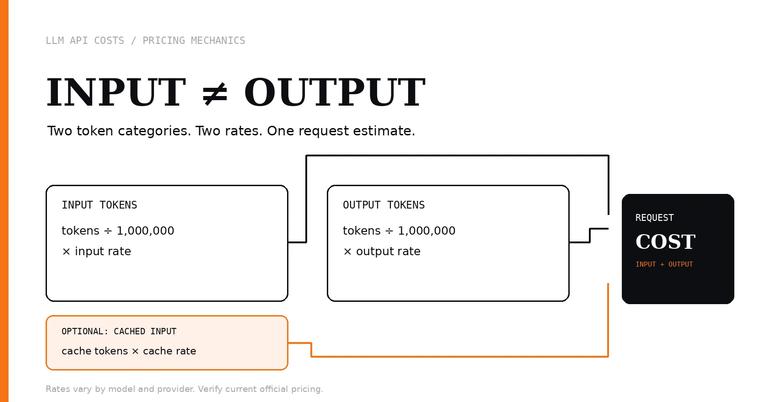
LLM Input vs. Output Token Pricing: How to Calculate the Difference
Learn how input tokens, output tokens, and cached input affect an LLM API bill, with a worked example and a formula you can reuse across providers.
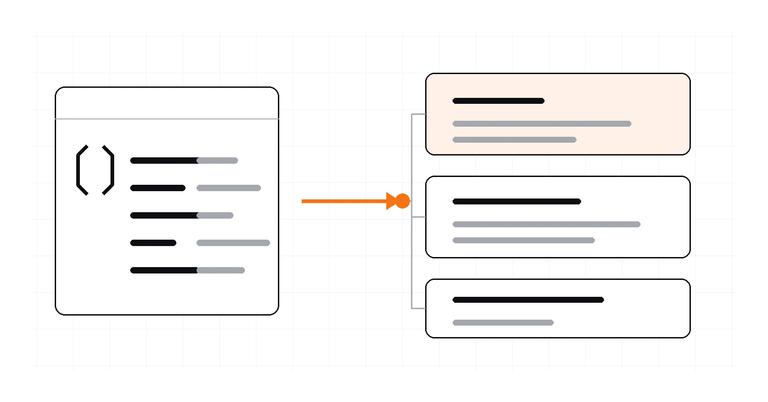
How to Convert a JSON API Response to TypeScript Types
Learn how to convert a JSON API response into TypeScript interfaces or type aliases, handle nested objects and arrays, and review the assumptions a single sample cannot establish.
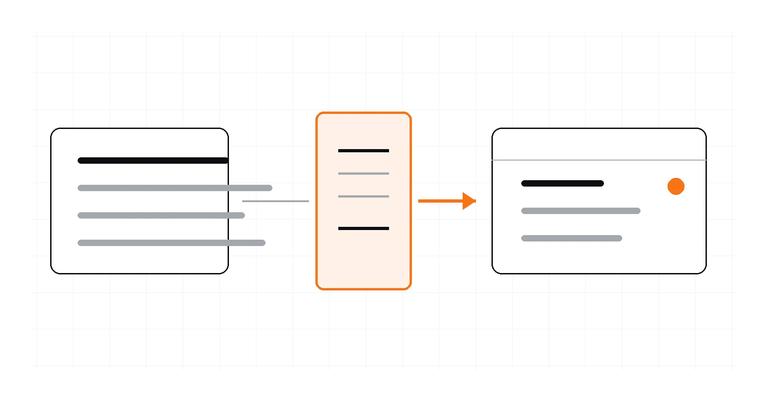
How to Validate API Responses in TypeScript
Learn how to validate untrusted API response data at runtime in TypeScript, infer static types from a Zod schema, and decide when JSON Schema or generated types fit better.
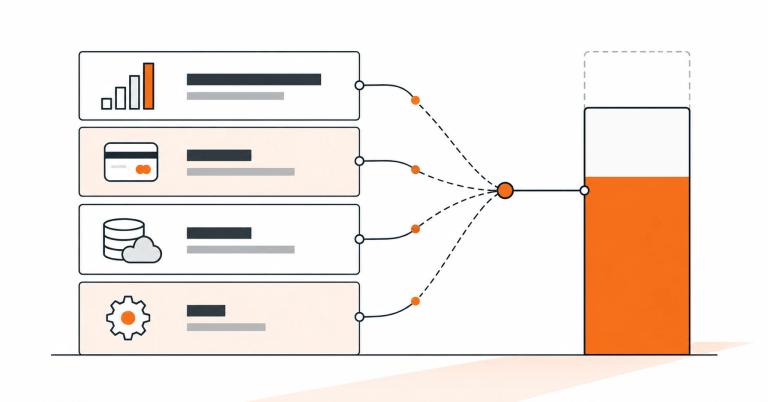
SaaS Unit Economics: Payment Fees and Usage Costs
SaaS unit economics become clearer when you subtract payment-processing fees and customer-driven usage costs from revenue. Here is a practical per-customer contribution model, with assumptions and limits made explicit.
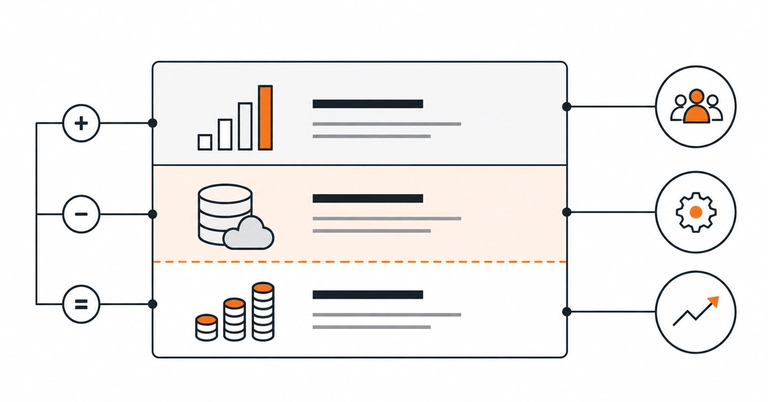
SaaS Gross Margin: Formula and Cost-of-Revenue Decisions
Learn the SaaS gross margin formula, work through an explicit example, and decide how hosting, support, engineering, and payment fees should be classified in your model.
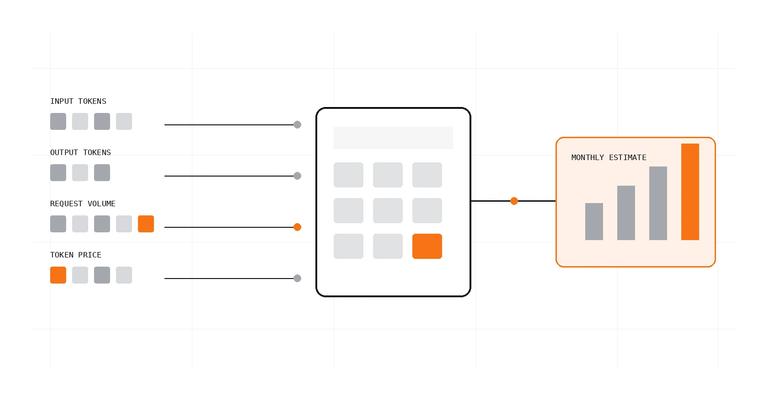
How to Estimate LLM API Costs Before Launch
Estimate monthly LLM API spend from input and output tokens, request volume and current model pricing. Learn which assumptions matter and what a token-cost estimate leaves out.
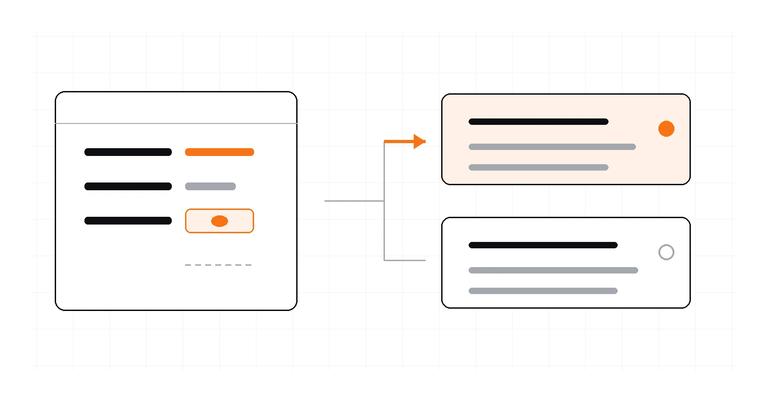
TypeScript Optional vs. Nullable: Model API Fields Correctly
Understand the difference between optional TypeScript properties and nullable values, and choose the right model for API responses with missing or null fields.
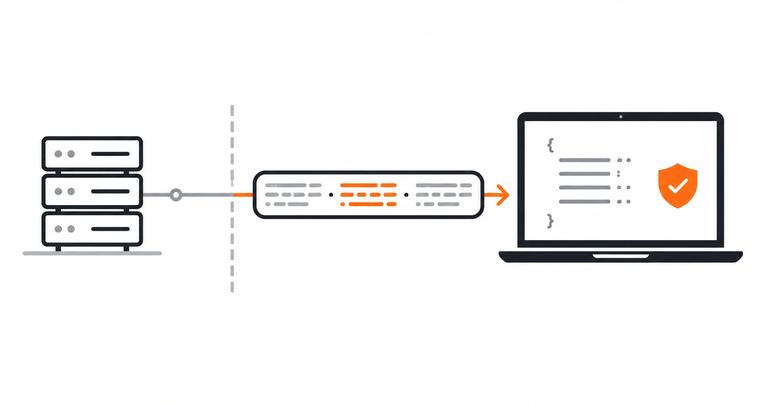
Is It Safe to Decode a JWT Online?
A JWT decoder can expose claims without verifying the token. Before using an online inspector, understand whether the token is sent to a server, what the token grants, and which inspection workflow your organization permits.
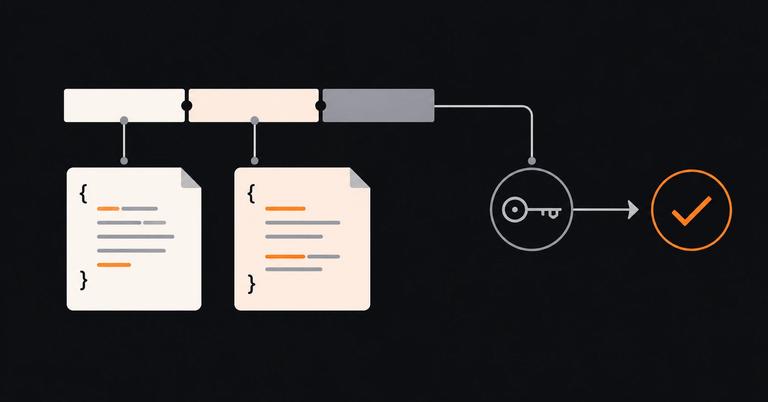
JWT Decode vs Verify: What Each Step Actually Proves
JWT decoding reveals the header and payload. Signature verification checks cryptographic integrity against an expected algorithm and trusted key; claim validation and authorization are separate decisions.
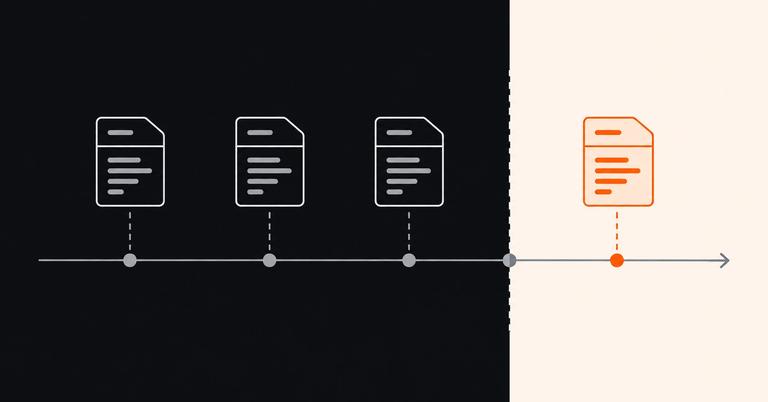
JWT Expiration Errors: Debug exp, nbf, and Clock Skew
When a JWT is rejected for a time-related reason, inspect exp, nbf, and iat as NumericDate values, compare them with the verifier's clock, and then confirm the server's actual validation policy.