

Build
25 articlesStep-by-step guides to implement, integrate, configure and deploy modern software. Each guide states what you'll have working, what you need first, and what result to expect.
- Integrations between frameworks, APIs and services
- App and feature tutorials, including AI API integrations
- Setup, configuration and deployment guides
Featured in Build

Evaluating an LLM Feature Before Launch: A Practical Guide
A practical guide to evaluating an LLM feature before launch: scope the task, build a representative test set, choose risk-aligned metrics, validate model judges, and set release gates.


How to Find and Fix Slow Interactions (INP) in a React App
A practical React 19.3.1 workflow for diagnosing slow clicks, filters and inputs: start with field INP data, profile the interaction, then reduce rendering and main-thread work.
All Build articles
Newest first.
Evaluating an LLM Feature Before Launch: A Practical Guide
A practical guide to evaluating an LLM feature before launch: scope the task, build a representative test set, choose risk-aligned metrics, validate model judges, and set release gates.
How to Find and Fix Slow Interactions (INP) in a React App
A practical React 19.3.1 workflow for diagnosing slow clicks, filters and inputs: start with field INP data, profile the interaction, then reduce rendering and main-thread work.
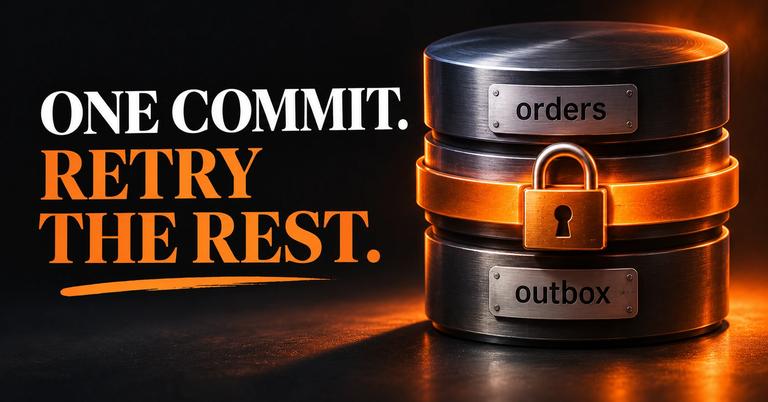
The Transactional Outbox Pattern, With a Node.js Example
The transactional outbox pattern prevents database changes and event publication from drifting apart. Build it with PostgreSQL, Node.js, a polling relay, and an idempotent consumer.
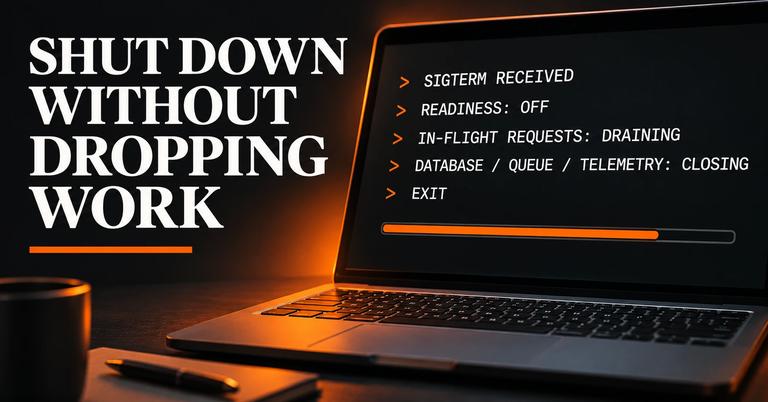
Graceful Shutdown in Node.js: The Complete Sequence
A reliable Node.js shutdown is an ordered process: mark the instance unready, stop accepting work, drain active requests and jobs, close dependencies, and exit before the platform force-kills the process.
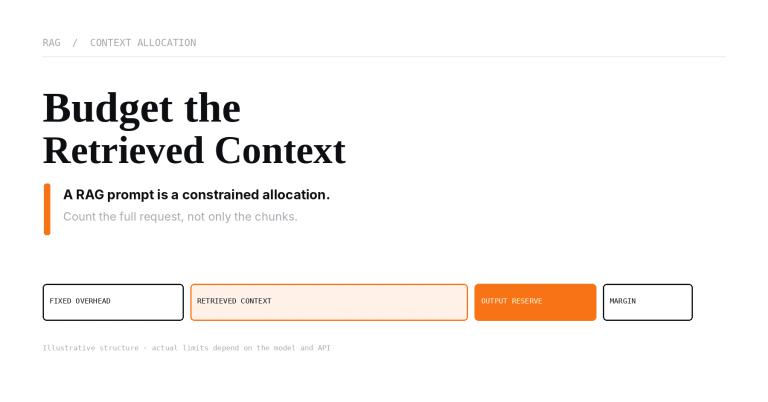
How to Budget Retrieved Context in a RAG Pipeline
A practical RAG token budget accounts for instructions, the query, retrieved chunks, formatting, and output allowance. Build the budget around your model and retrieval workload instead of copying a universal chunk size.

Rethinking Kababjees: redesigning a food group's website
An unsolicited concept redesign of kababjees.com: auditing a 21 MB homepage, building a dark editorial design system around the original logo, and shipping a static Next.js site that scores 98–100 on Lighthouse.
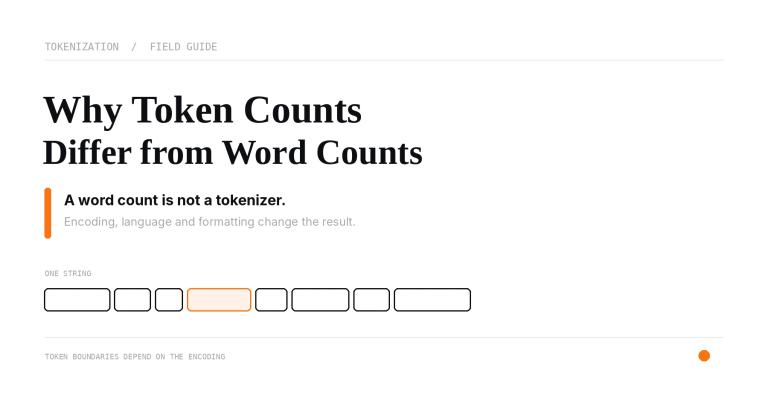
Why Token Counts Differ from Word Counts
Word count is a poor substitute for an LLM token count. Learn why model encodings, punctuation, code, and language change the result—and how to measure the input you actually plan to send.
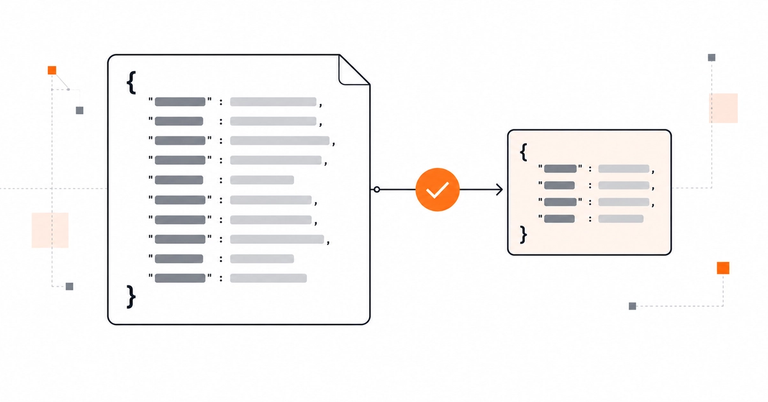
How to Get Reliable JSON Output from an LLM
To get reliable JSON from an LLM, distinguish valid JSON from schema-valid data. Use a provider's structured-output feature when supported, validate the result, and handle refusals, truncation, and application-level errors explicitly.
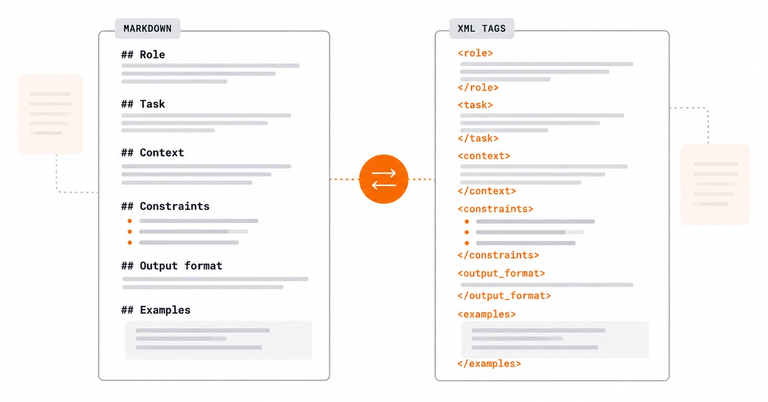
XML Tags vs. Markdown in LLM Prompts: When to Use Each
Markdown headings make prompts easy to scan; XML-style tags make content boundaries explicit. Learn when to use each, when to combine them, and why neither format guarantees better model output.

How to Calculate the SaaS Break-Even Point
Calculate SaaS break-even customers by dividing fixed monthly costs by contribution per customer. Learn how to classify costs and interpret the result without treating it as a forecast.
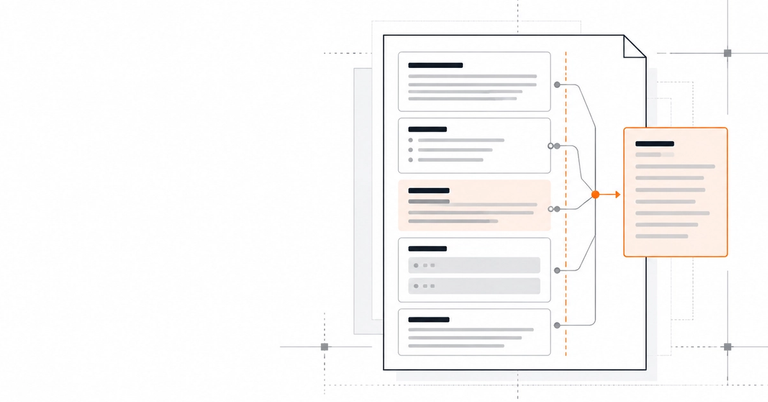
How to Structure System Prompts for Production LLM Applications
Structure production LLM prompts around distinct responsibilities: role, task, context, input, constraints, output format, and examples. Learn when to use Markdown or XML, how to preserve wording, and what structure cannot guarantee.
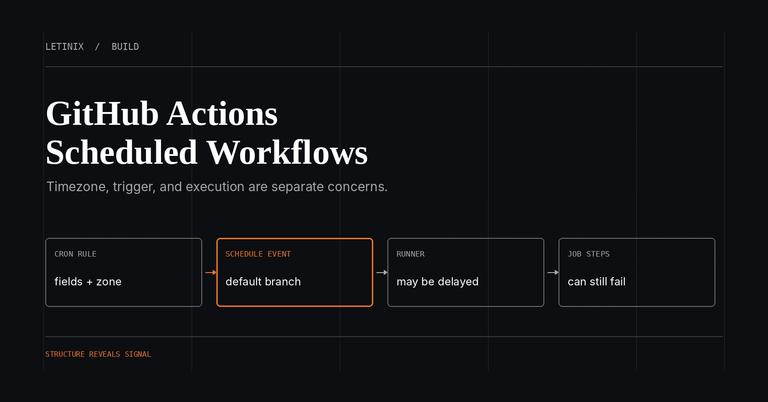
GitHub Actions Scheduled Workflows: Time Zones and Common Failures
Configure GitHub Actions schedule events with the right cron syntax and timezone, then troubleshoot workflows that run late or stop triggering.